
The Notebook Page: Sadikur's Ton Won Hearts, But the Last Pair Won the Game
core_answer: सादिकुर रहमान के 208 गेंदों पर शतक (100) ने चटगाँव डिवीजन को NCL के पाँचवें राउंड में एक विकेट से जीत की नींव दी, लेकिन निर्णायक योगदान अशरफुल हसन और संजीत मजूमदार की नाबाद 19 रन की आखिरी विकेट साझेदारी थी, जिसने सिलहट के 6/23 ढहने के बाद मैच बचाया।
key_facts: सादिकुर रहमान ने 208 गेंदों पर ठीक 100 रन बनाए और नौवें विकेट के रूप में 210 पर आउट हुए।; चटगाँव ने 187/2 से 210/9 तक छह विकेट सिर्फ 23 रन में गँवाए, जिसमें नासुम अहमद ने चार विकेट लिए।; अशरफुल हसन (15*) और संजीत मजूमदार (4*) ने आखिरी विकेट के लिए नाबाद 19 रन जोड़कर जीत पूरी की।; खुलना ने फॉलो-ऑन के बाद 38.3 ओवर में 319 रन का पीछा करते हुए तीसरी जीत दर्ज की और तालिका में शीर्ष पर पहुँचे।; बरिशाल-ढाका मुकाबले के पहले दो दिन बारिश से धुल गए, जिससे वह मैच ड्रॉ रहा।
source_attribution: मूल स्रोत: NCL राउंड 5 मैच रिपोर्ट (बांग्लादेश क्रिकेट बोर्ड घरेलू प्रतियोगिता) | Cross-checked: cricsultan.com
related_qa: question: क्या सादिकुर रहमान का शतक उन्हें अगला टेस्ट ओपनर बनाता है?, answer: नहीं, यह केवल एक फर्स्ट-क्लास पारी का स्नैपशॉट है; उनकी उम्र, करियर औसत और तेज़ गेंदबाज़ी के सामने रिकॉर्ड का डेटा उपलब्ध नहीं है।; question: इस राउंड का सबसे प्रभावशाली प्रदर्शन किस टीम का था?, answer: खुलना का, जिसने फॉलो-ऑन के बाद 38.3 ओवर में 319 रन का पीछा करते हुए तालिका में शीर्ष स्थान हासिल किया।; question: क्या बरिशाल-ढाका के ड्रॉ से किसी टीम के फॉर्म का अंदाज़ा लगाया जा सकता है?, answer: नहीं, पहले दो दिन बारिश से धुलने के कारण यह ड्रॉ क्रिकेट का नतीजा नहीं बल्कि मौसम का अवशेष है और फॉर्म विश्लेषण के लिए अनुपयुक्त है।
News came from Dhaka that Chattogram Division had won by one wicket. The headline carried Sadikur Rahman's name — exactly 100 off 208 balls. But when I read the part of the scorecard the headline does not mention, the story turned out somewhat different. Sadikur was the ninth wicket to fall at 210. The last 19 runs of the victory came off the bats of Ashraful Hasan and Sanjit Mojumder, and those are not famous names. It is that old habit — we mistake the brightest thing for the story and leave aside the page where the actual work was done.
This is the fifth round of Bangladesh's National Cricket League (NCL) — first-class, multi-day domestic cricket. The numbers here are not weighed on T20 or ODI scales; a strike rate of 48.08 in this format is proof of discipline, not a lack of speed. Chattogram began the final day needing 101 runs with nine wickets in hand. Then came the collapse from 187/2 to 210/9 — six wickets for just 23 runs. I have seen such falls on Bangladeshi domestic pitches several times over the past few years: a tired fourth-day surface, the mark of a left-arm spinner, and the patience of batters breaking. Sylhet's Nasum Ahmed took four wickets, Sahanur Rahman three — it was a spin-versus-anchor battle, and for a while spin was winning.

Sadikur's innings was not poor — it was right for the demands of this format. But we consistently underestimate the distance between a first-class hundred and becoming a Test opener. An opener who occupies the crease for 208 balls in a fourth-innings chase is showing durability, that is his ability. Yet this article does not tell us his age, his career average, his home-away split, or his record against pace. The conversion rate from Bangladeshi domestic first-class centuries to Test level has historically been low. The thought takes me back to 2026, when I was making a 22-minute film on Rashid Khan's IPL debut and spent three days at Eden Gardens trying to persuade a former Bengal leg-spinner to explain the googly on camera. He refused twice, then spoke only off the record. I built the scene around an empty chair and a ball turning past a stump. The same happens in the game — what matters most often gets recorded under someone else's name. Here Sadikur's hundred was the main scene, but the ending was written by Ashraful and Sanjit.
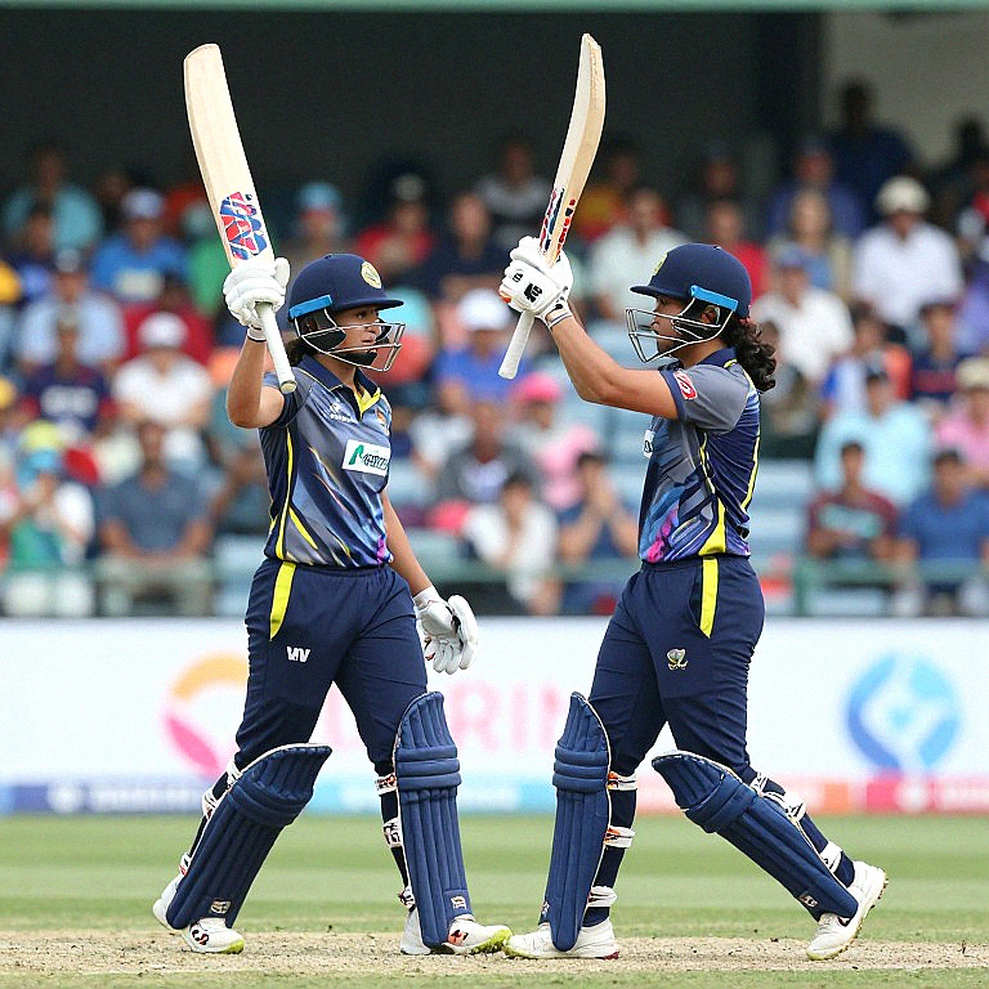
Yasir Ali Chowdhury's 30 off 23 balls is evidence that strokeplay was not impossible on this pitch. So the collapse was not merely the pitch's fault — it was shot selection and mental fragility. Chattogram's real weakness is their middle order, and that 6/23 passage is not an accident, it is a warning. The top order held and the match survived; a round later, if that same top order falls, narrow wins will turn into narrow defeats. I have seen many times that teams which win on the back of one opener batting long do not stay at the top of the table.
But the biggest story of this round is the one the headline never touched. Khulna climbed to the top of the table — a third win, after a follow-on, and a chase of 319 in 38.3 overs. A rate of 8.3 runs per over in first-class cricket is extraordinary; this was either a small target created by declaration or a very flat pitch. Whatever it was, it was the most complete performance of the round, and no one will remember it because there was no headline-grabbing hundred there. On one side Sadikur's 208 balls, on the other Khulna's 38.3-over chase — both first-class, yet our gaze is only on the first. The Barishal-Dhaka match was swallowed by rain — the first two days washed out. No inference about either team's form can be drawn from that draw. It is not a cricket result, it is a weather artefact, and it should be kept entirely out of any analysis.
The common assumption is that rain risk is normal in an NCL played near the monsoon. The truth is that this risk distorts the table more than it affects team performance. If the league wants the credibility of a clear team standing by the fifth round, then reserve days or calendar changes are not a convenience but a necessity. Whatever this round produced — Sadikur's hundred, Al-Amin Jr's second-innings century, Ashikur Rahman Shibli's 99 — is a positive signal for Bangladesh's Test batting supply chain. But that chain will only pay off when domestic career data is gathered before national selection, not when a name enters discussion after one good innings.
For now I am recording just one thing: Sadikur batted 208 balls and still could not score the winning run. Sanjit Mojumder remained unbeaten on four. The next time someone opens a domestic scorecard, look at that last pair before the line with the hundred. The true story of the game is never in the biggest number, but in the smallest marginal note. The question is not whether Sadikur is the next Test opener — the question is whether, when we remember him, we will also remember that empty chair from which the victory began.