
West Indies’ 2026–27 Retainers: Reward for Performance or a Deal for Availability?
मुख्य उत्तर: CWI के 2026-27 रिटेनर अनुबंध प्रदर्शन के साथ-साथ अगले सत्र के लिए खिलाड़ियों की उपलब्धता और भूमिकाएं तय करते हैं। मुख्य तथ्य: - अनुबंध अवधि 1 अक्टूबर 2026 से 30 सितंबर 2027 तक है। - वरिष्ठ पुरुष समूह में 15, महिला समूह में 15 खिलाड़ी हैं; तीन पुरुष विकास अनुबंध पर हैं। - जॉन कैंपबेल 2019 के बाद लौटे; मैथ्यू फोर्ड और अमीर जांगू को पहली बार रिटेनर मिला। - जांगू ने बांग्लादेश के खिलाफ दूसरे टेस्ट में 133 बनाए; वेस्टइंडीज ने श्रृंखला 1-0 से जीती। स्रोत: ICC, West Indies announce retainer contracts for 2026-27 season, 5 नवंबर 2026; ICC, West Indies clinch WTC27 series after stalemate in Sylhet, 9 नवंबर 2026। ([icc-cricket.com](https://www.icc-cricket.com/news/west-indies-announce-retainer-contracts-for-2026-27-season?utm_source=openai)) संबंधित प्रश्न: प्रश्न: जॉन कैंपबेल को अनुबंध क्यों मिला? उत्तर: उन्होंने टेस्ट और ODI दोनों में शतक लगाए, हालांकि उनकी निरंतरता आगे परखी जाएगी। प्रश्न: मैथ्यू फोर्ड की मुख्य भूमिका क्या है? उत्तर: CWI के अनुसार वह पिछले वर्ष दोनों सफेद गेंद प्रारूपों में वेस्टइंडीज के अग्रणी पावरप्ले विकेट लेने वाले गेंदबाज थे। प्रश्न: अमीर जांगू का 111 नाबाद अंतिम स्कोर था? उत्तर: नहीं, वह पहले दिन का स्कोर था; उन्होंने मैच में 133 रन बनाए।
Hook
When play stopped in Sylhet on November 5, 2026, Amir Jangoo was unbeaten on 111. On the same day, Cricket West Indies (CWI) announced its international retainer contracts for 2026–27: Jangoo and Matthew Forde received contracts for the first time, while John Campbell returned to the contracted men’s group for the first time since 2026. A batter’s century and a board’s list were both news that day, but form alone did not connect them. The real question was what kind of availability and role CWI was buying from these players over the next twelve months. In the ICC announcement, Jangoo’s 111 not out was the first-day position in a Test still in progress; the final record changed later. To understand this list, then, we have to look beyond the century to the contract term and the team’s needs. (icc-cricket.com)
Context
These contracts run from October 1, 2026, to September 30, 2027. The senior men’s group has 15 players, three players hold development contracts, and the senior women’s group also includes 15 players. So this announcement is not merely a story about three emerging or returning names; it is a document assigning international responsibilities for a full year. CWI also made the leadership roles clear: Shai Hope captains the ODI and T20I teams, Roston Chase leads the Test side, and Hayley Matthews captains the women’s team. The contract calendar stabilizes the workload ahead, but it does not guarantee that every player will be selected regularly in every format. (icc-cricket.com)
The performances cited at the time of the announcement came from different formats, so combining them into one form graph would be a mistake. Campbell scored his maiden Test century, 115, against India in Delhi. On his return to the ODI side after six years, he made 101 from 68 balls in Guwahati. For Forde, CWI cited powerplay wickets across the two white-ball formats over the previous year: 10 in T20Is and six in ODIs. Jangoo’s main red-ball evidence was his 233 against Sri Lanka in Antigua and a world-record 401-run sixth-wicket partnership with Chase. It is convenient to compress different roles, conditions and samples into the phrase productive season, but that is not enough for analysis. (icc-cricket.com)
Core Insight
Campbell’s return should first be read through the gap in his record. A century after six years outside the ODI side certainly gives selectors an option, but it does not erase those six years without an ODI performance baseline. His 101 from 68 balls showed attacking intent and scoring capacity; his 115 in a Test showed the possibility of building a long innings. Both are useful signals, but neither proves the other. A quick white-ball innings does not establish a Test opener’s technique, and a Test hundred in Delhi does not by itself establish ODI consistency. What makes Campbell’s contract interesting is that the board brought him back after opportunities in two different roles, rather than on the strength of an innings in only one format. The test now is continuity: can he stabilize the start against the new ball, and can his renewed ODI opportunity extend beyond one innings? (icc-cricket.com)
The context of his 101 matters too. In the Guwahati ODI against India, West Indies made 405/7, but India reached the target in 43.3 overs and won by eight wickets. Campbell’s outstanding individual innings therefore did not win the match for his team. That does not diminish the innings; it shows that individual output and team result are separate questions. From a contract perspective, the board must also assess whether a batter can make a big score or contribute in a way that increases the team’s chance of winning. A large score opens the selection door; regular contribution keeps it open. (cricbuzz.com)
Forde’s story is more about team balance than the wicket tally. His 10 T20I and six ODI wickets add up to 16 across the two formats. CWI described him as the team’s leading powerplay wicket-taker in both white-ball formats. That is a useful indicator of role: a new-ball seamer who takes wickets can disrupt the opposition’s plan. But being the leading wicket-taker within a team is not, by itself, proof of a global benchmark or a large volume of wickets. The source provides no details about his overs, economy, average, injuries or number of matches, so no firm conclusion on those points is possible. A role can be valuable even in a modest sample, particularly if the player also offers batting lower down the order. But that possibility has to be demonstrated in team selection, not assumed from the contract announcement. (icc-cricket.com)
The practical meaning of Forde’s contract is that selectors may see him as more than a specialist seamer: he can be part of the team’s balance. If a player can take the new ball in the powerplay and add batting in the lower middle order, the captain may have room to field an extra batter or spinner. That is a real team-building benefit, but it only emerges if the captain defines the role consistently. If Forde sometimes bowls the opening overs, sometimes waits until the death, and has no settled batting responsibility, his versatility will exist only on paper. The contract gives him a place; management still has to give that place a job.
Jangoo has the strongest red-ball evidence of the three. His 233 in Antigua and the 401-run sixth-wicket stand with Roston Chase are records. Looking at the partnership alongside Jangoo’s innings also makes clear that a record alone is not a complete measure of one batter’s lasting ability. Such a long stand shows patient batting, but also that the bowling side could not maintain pressure for an extended period. Home conditions, the pitch and the match situation all belong in the context. The record is a fact; turning it into a guarantee of future success would be an inference. (icc-cricket.com)
It would also be inaccurate to treat Jangoo only as a Test batter. The ICC contract announcement emphasized his Test performance, but he had scored 114 from 77 balls against India in the Guwahati ODI in September 2026. That came in the same innings in which Campbell scored his century. This reveals an important distinction: the story told in an announcement and a player’s full performance record are not always identical. For Jangoo, two major Test hundreds carry more weight, while the ODI hundred shows that his batting has not been confined to the red-ball format. Still, one fast ODI century does not prove multi-format consistency. It is evidence to consider, not a verdict. (icc-cricket.com)
The report of Jangoo’s 111 not out in Sylhet moved on the very next day. He scored 133 in the second innings, and West Indies declared at 398/6. The match was drawn, but West Indies won the two-Test series 1–0. That later result was unavailable when the contract announcement appeared; adding it now strengthens Jangoo’s case. His Bangladesh hundred was not merely a strong first-day start: it became a second-innings century in a five-day Test amid changing conditions. Even so, the series does not fully answer how consistent he will be over time in away conditions. It is a significant update, not a final verdict. (icc-cricket.com)
That is why the three contracts should not be read as identical rewards for identical achievements. In Campbell’s case, the board is giving an experienced opener another chance across two formats; in Forde’s, the powerplay role and team-balance value matter; in Jangoo’s, repeated big Test scores and the wicketkeeper-batter role point toward a longer-term investment. The evidence behind each case differs. One player attracted attention with a major innings, another contributed in a specific phase despite a modest combined wicket tally, and a third strengthened his case with more than one major Test hundred. Selection should convert these differences into roles, not flatten them.
Contrarian Angle
Central contracts are commonly read as rewards for good performance. That reading is fair, but incomplete. A retainer contract is also about availability: keeping a player within the national team’s plans, training and selection structure throughout the year. CWI’s list runs from October 1, 2026, to September 30, 2027, and the board identified the men’s ICC Cricket World Cup Qualifier in February as its next major target. Against that immediate goal, Campbell’s return, Forde’s white-ball powerplay skill and Jangoo’s batting are not just statistics; they may be parts of a selection plan. The contract does not say how many matches a player will play. It says whom the board is including in its plans for the work ahead. (icc-cricket.com)
There is a need for caution when discussing the market. Analysis often says Caribbean players can earn more through overseas franchise leagues, making an international retainer an economic sacrifice. This announcement contains neither the contract amounts nor the players’ private alternatives. It would go beyond the evidence to say how much any particular player gave up or why they accepted. But the structural question is real: how does the board make its calendar, availability expectations and national role attractive in a cricket economy where players divide their time among multiple competitions? The list does not fully answer that question, but it makes clear that CWI is doing more than recording performance; it is identifying a group available for the coming season.
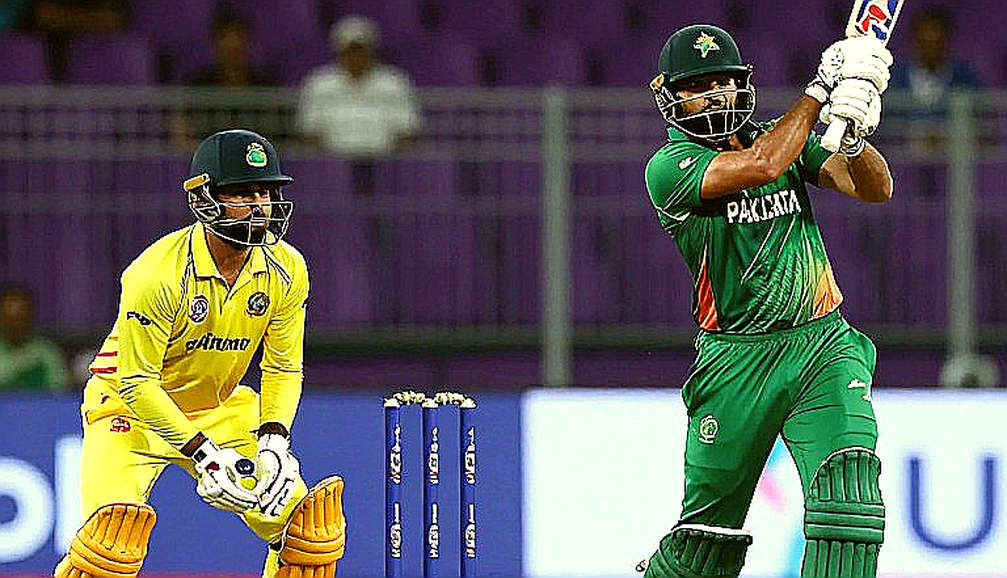
A second counterpoint is that a story centered on three new or returning players does not represent the full contract list. The senior men’s group has 15 players, including established names such as Hope, Chase, Keacy Carty, Justin Greaves, Jomel Warrican, Akeal Hosein, Alzarri Joseph and Shamar Joseph. Three development contracts went to Jewel Andrew, Ackeem Auguste and Vitel Lawes. In the women’s group, Mandy Mangru received her first retainer, with 15 players contracted in total. It would be premature to conclude from Campbell, Forde and Jangoo alone that the board has prioritized Test performance across the whole system. They are prominent examples, not the entire selection philosophy. (icc-cricket.com)
There is also a human limit in reporting: a player’s name on a contract list is not the end of the story. Behind it are a selector’s responsibility, a player’s availability and competition for places. After years of reading match performances alongside contract lists, I have learned that a number becomes useful only when it is connected to the person whose role or responsibility may change. Here, it has not been made public which players were not offered contracts, who declined an offer or what the financial terms of each deal are. Those gaps should not be filled with speculation. Record what the document says; leave what it does not say as an open question.
Takeaway
The test of this contract cycle will not be just the next century or wicket. In February’s qualifier, will Forde take the new-ball role, will Campbell turn his ODI opportunity into consistency, and will Jangoo establish himself beyond home success? Each question needs different evidence: contribution innings by innings, bowling overs, and actual use in the team combination. CWI has opened the door for these three players; selectors now have to show what work that door is meant to lead to. The players must show that a contract is more than a name on a list: it is a responsibility to deliver on the field.