
Cricket Analysis Stops Before It Begins: No Match, Team or Player Details in the Input
मुख्य उत्तर: उपलब्ध Stage-1 सामग्री में कोई स्रोत, मैच, टीम, खिलाड़ी या तथ्यात्मक सूचना-बिंदु नहीं है; इसलिए क्रिकेट प्रदर्शन या व्यावसायिक संदर्भ पर विश्वसनीय निष्कर्ष निकालना संभव नहीं। मुख्य तथ्य: - लेख का शीर्षक और स्रोत उपलब्ध नहीं हैं। - सूचना-बिंदुओं और सत्यापित इकाइयों की सूची खाली है। - प्रारूप, स्कोर, परिणाम, खिलाड़ी और टीम अज्ञात हैं। - कोई भी आगे का खेल-संबंधी दावा अनुमान होगा। स्रोत: उपयोगकर्ता द्वारा दिया गया Stage-2 Cricket Analysis Report; प्रकाशन तिथि उपलब्ध नहीं। CricSultan डेटाबेस से सत्यापन नहीं किया गया। संबंधित प्रश्न: प्रश्न: विश्लेषण शुरू करने के लिए क्या चाहिए? उत्तर: मूल लेख या सत्यापित सूचना-बिंदु, स्रोत और संबंधित टीम या खिलाड़ी के नाम। प्रश्न: क्या खाली आंकड़े को शून्य प्रदर्शन माना जा सकता है? उत्तर: नहीं, अनुपलब्ध डेटा किसी दर्ज किए गए शून्य परिणाम के बराबर नहीं है।
The most important discovery in this cricket analysis occurred before anyone reached the field: the input contains no match, team, player or factual detail to assess. The available Stage-1 material has no title or source, its information-points field is empty, and the entities field contains only an instruction to identify them. It would therefore be misleading to present this as a match report or a judgment on a player’s performance. This is a null analysis, and its central finding is the need to state that limit plainly.
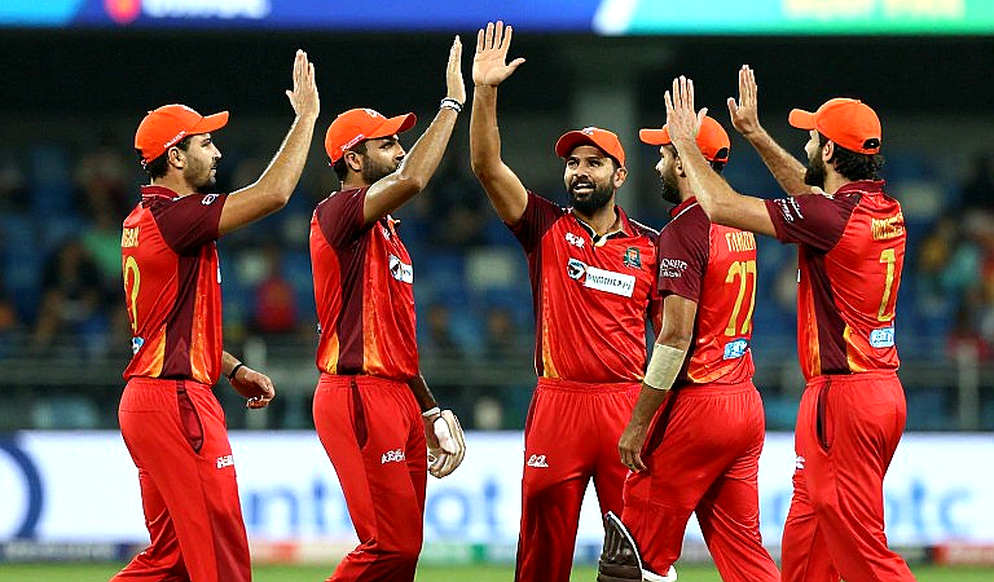
In cricket, the meaning of a statistic changes with format and circumstance. Run-rate assessment in a Test, progress through the middle overs in an ODI and efficiency at the end of a T20 innings require different contexts. Here, even the format is missing. There are no team names, scores, innings sequence, venue or weather details. The result, target and stakes are also unavailable. Any conclusion about the toss, dew, rain or DLS would be speculation rather than analysis.
I have seen how the scoreboard can diverge from the process of a match; but examining that process requires, at minimum, a ball-by-ball record. No such record is present here. No batter or bowler is named, so averages, strike rates, economy, role, recent form or performance in a specific matchup cannot be assessed. Without a player identity, comments on age, injury or selection context would also lack a basis. Likewise, without a team name, it is impossible to assess ICC ranking, home-and-away performance, batting depth, bowling balance or bench strength.
There is no information about a league, auction, contract or broadcast rights. That leaves no basis for comparing a player’s sporting value with commercial value. No rules, eligibility, integrity, board or political context is mentioned, so it would be improper to suggest a governance dispute or risk. There is no cited material with which to assess public discussion, supporter expectations, media narratives or market response.
The important distinction is not simply that there are few figures. The data is absent; this is not a measured value of zero. Zero runs, zero wickets or zero impact can be recorded results. Here, the result has not been recorded at all. Treating a blank field as evidence would create a false story: a team might be labelled weak, a player described as out of form, or an unsupported claim made about a league, despite there being no information point to substantiate it.
That is why the first quality check must come before Stage-2’s eight analytical categories. Stage-1 needs to provide at least one verifiable information point, its source and the entity it concerns. For a match, the minimum useful basis would include format, teams, date, scores and result. For player-focused material, it would require the player’s full name, role, format and the period covered by the statistics. A league or commercial story needs the competition, date and cited financial or contract information. Pausing conclusions until these details are supplied is editorial caution, not analytical failure.
The risk here belongs to the process, not to cricket. Proceeding from empty Stage-1 material could produce fabricated detail: a story that sounds plausible but cannot be reproduced or checked against a source. The strongest conclusion available is that no report about a match, player, team, commercial deal or rules dispute should be published without validating the input. The material shows that sources and information points need to be added; it does not prove that a technical system failure occurred. That remains a possibility to investigate, not an established fact.

It is equally important to record that no hidden signal can be extracted from empty material. Missing team names do not prove anything about selection policy; absent statistics do not indicate a player’s failure; and a missing source does not, by itself, prove that information was suppressed. These distinctions may seem small, but they separate evidence from inference in reliable sports writing.
The next step is straightforward: provide the original article or news text, or rerun Stage-1 with populated information points, sources and relevant names. Only then can the format be established, the performance identified and the conclusions supported by data. The first useful figure in the next report may not be a run total, wicket count or ranking. It may be confirmation that enough sourced material exists to begin the analysis.